New PISA results for Ireland show more students are struggling with reading and maths
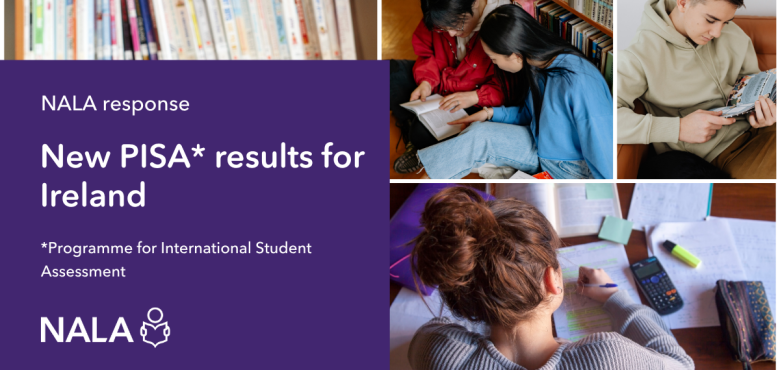
The Programme for International Student Assessment (PISA) measures 15-year-olds’ skills in reading, maths and other areas. The results of PISA 2025 have just been published, and they are a mixed bag for Ireland.
+ Good news: Ireland is best in the European Union (EU) for reading, and fourth place for maths
– Bad news: in Ireland, like other countries, both reading and maths levels have gotten worse over time
This may be related to recent trends like low school attendance since the Covid-19 pandemic, longer trends like reduced attention spans, or many factors coming together.
While PISA cannot tell us for sure why this worrying trend is happening, it does tell us who is most affected.
Who is being left behind?
The new PISA results show that, among 15-year-old students in Ireland,
- 17% struggle with reading (around 1 in 6)
- 24% struggle with maths (around 1 in 4)
These are both significant increases since 2022, from 11% to 17% in reading and 19% to 24% in maths.
What has not changed is that students in disadvantaged schools are the most likely to be struggling.
PISA 2025 also found that boys continue to fall behind girls in reading, while girls are still behind boys in maths.
What does this mean for adult literacy?
Reading and maths are the foundational skills that make all learning possible. These skills make people’s lives better – adults with high levels of literacy and numeracy are healthier, happier, and better off. They are also more likely to be volunteers or to believe they can make a difference in our political system.
The latest PISA results show that the issue of literacy is not ‘solved’. We have seen similar trends for adults too. To reap all the benefits outlined above, Ireland must ramp up investment in literacy and numeracy as a priority throughout our whole, lifelong education system.
This means that young people with literacy or numeracy needs will need appropriate supports and pathways as they enter adulthood; in further education, higher education, the workplace and throughout society.
It also means that parents with literacy or numeracy needs will need to be supported with family literacy programmes and suitable learning options, if Ireland is going to break intergenerational cycles.
We are calling for all Government departments responsible for early years, school-age and adult learning to take note of the latest PISA results and collaborate on solutions. Together, we can make sure future generations will have the skills they need to thrive.
Read more
Stay up to date
Most recent news
Sign up to be kept up to date on our latest campaigns.